Blackberry Growing Problems: How to Fix All Issues
Whether yous consider the blackberry every bit a superfood or simply another berry with a unique colour to garnish your ice cream, pies, and dessert, it still deserves its place in your garden. And, yep, a lot tin can be said nearly blackberry growing bug and the corporeality of work y'all demand to put into growing and caring for information technology. But when y'all choice a fresh ripe berry off your blackberry bush, the sense of accomplishment is undeniable.
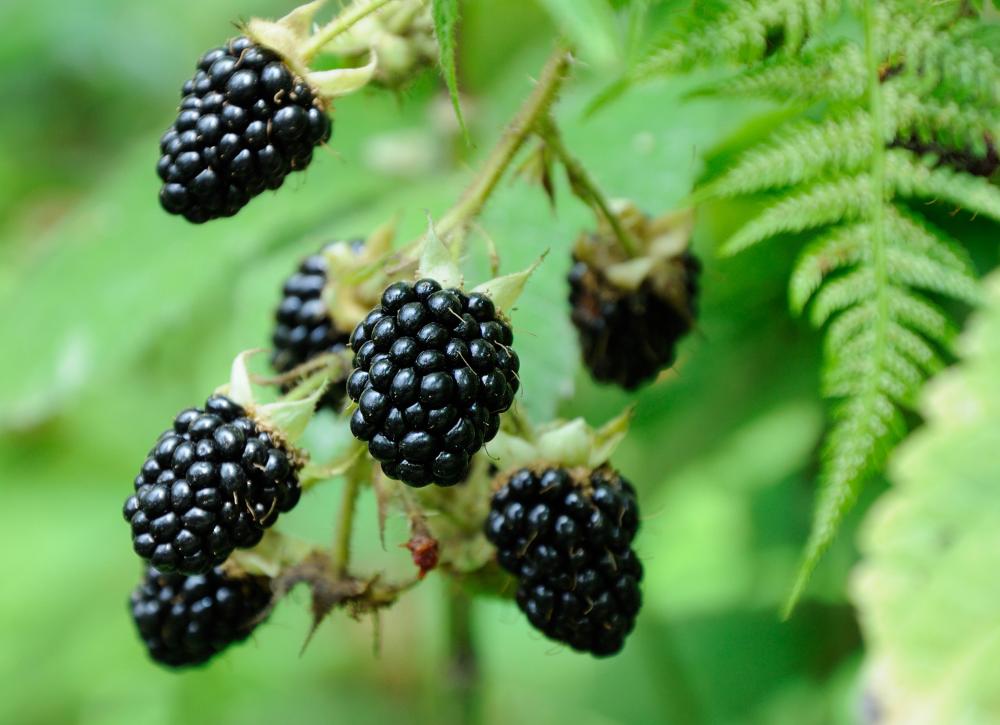
And then what kind of problems tin can you look when growing the blackberry? Well, for starters, y'all might non accept whatsoever berries at all, or the berries will not ripen. Sometimes the blackberries will rot right on the vine, and other times, the bush gets infected with diseases. This commodity summarizes the most mutual blackberry growing problems and offers different ways and tactics to solve these problems.
No Blackberries
It's no hole-and-corner that planting a blackberry bush in your garden is non an piece of cake task. It takes a lot of care just to become the seedling off the basis. Every bit you watch information technology grow and spread its lush greenish foliage, you can near taste the tarty fruits when the fourth dimension comes to harvest. So when no berries abound on the bush-league, you might retrieve you're not equally good a gardener as you might have thought.
But for the most part, it's not your error when no berries develop on the blackberry vine. The reasons are varied and have to do with pathogens, fungal spores, and even pests. Sometimes the growing conditions contribute to the trouble, only they rarely are the single cause.
How to Fix it
To say that making certain that your blackberry vine will bear fruits and those fruits will ripen is a abiding struggle against nature and natural predators is putting it mildly. You'll have to stay vigilant and keep a close eye on the leaves, flowers, and stems for any signs of disease or stress. Here are the primary causes of the blackberry not bearing fruit and what you can do near each one.
- Pests: Pests are often easy to spot, no thing how clever at hiding they are. Even tiny insects like aphids volition leave behind a trail of minor spots on the leaves. But it'south not aphids you should worry virtually. Rather, it'southward the raspberry fruitworm beetles, mites, and thrips. They can wreak havoc with the found's health and lead to a lack of fruiting. Spray the pests with neem oil and avert using inorganic pesticides, which could impale useful insects that pollinate the blackberry.
- Viruses: Unfortunately, many viruses set on the blackberry vine and interfere with the plant'due south power to produce fruits. The list of viruses is long, but the well-nigh mutual pathogens are Black Raspberry Streak, Blackberry Calico, Raspberry Bushy Dwarf, and Blackberry Tobacco Streak. Make sure you utilise virus-gratuitous seeds and don't plant the blackberry bushes near wild blackberry brambles. Remove infected plants and dispose of them safely.
- Growing Conditions: Lack of pollinators can result in poor or no harvest that year. And then ensure you attract bees and butterflies to the garden to pollinate the blackberry flowers. The bush-league thrives in rich soil, then brand sure to mix in plenty of organic materials before planting the seeds.
- Fungus: Anthracnose is a serious fungal infection that might prevent the blackberry from carrying fruits, or if it does, the fruits will wilt and wither before they become ripe. At that place's a whole department most Anthracnose below and what y'all can do nearly it.
Blackberries Not Ripening
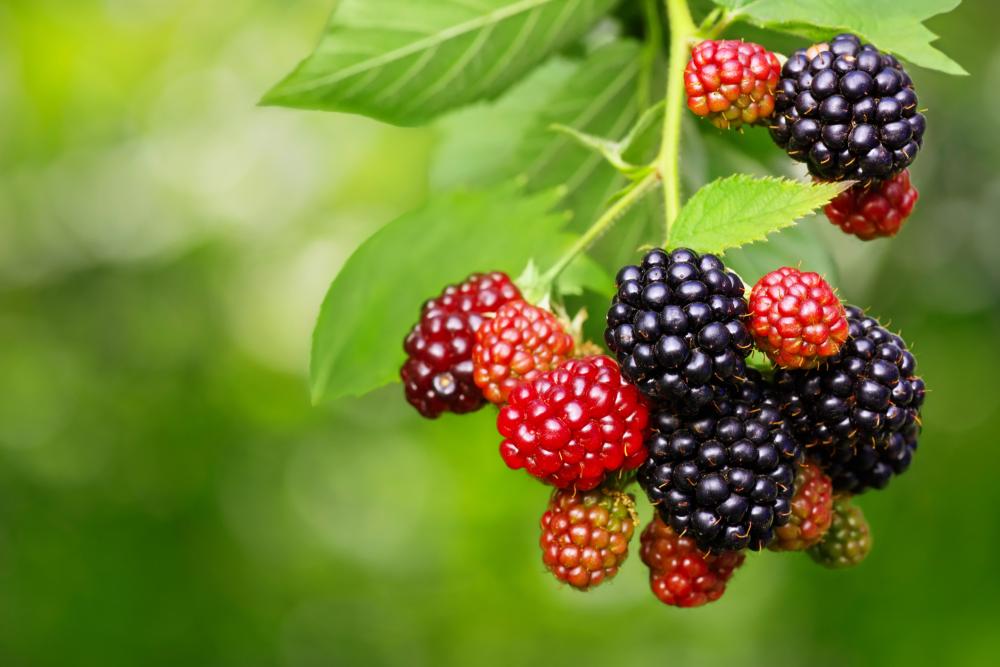
Even when the flowers of the blackberry have been pollinated and the berries start to develop, at that place's notwithstanding some way to go before the blackberries are on your plate. One problem that often occurs is when the blackberries volition non ripen. They wait healthy, the right shape and size. Simply no matter how long they stay on the bush-league, they will stay difficult and sense of taste bitter. And so what went wrong?
In this example, there's only one culprit. Information technology's the redberry mite. Small as the pest is, it tin harm a whole crop and go on the berries on several blackberry vines from ripening.
How to Set it
To sympathise how to combat the mighty redberry mite, you need to sympathise how it prevents your berries from getting ripe. The tiny insect is difficult to detect with the naked heart, but you can see its effects. It will inject the drupe earlier it gets ripe, which causes some red drupelets to grade on the flesh of the berry. 1 injection is enough to continue the drupe from turning sweet.
Not but that, but one time the redberry mite infects a vine, information technology will stick around throughout the winter to ruin the next flavour'southward harvest as well. So what can you do about this super mite?
You can use sulfur to the soil every two weeks from the time the starting time bound growth emerges until harvest time. Once the berries have turned blackness and are starting to ripen, you tin concord off the sulfur treatment.
Some other solution is to use horticultural oil. Well-nigh four applications throughout the season are enough. Space them out at 3 weeks intervals to keep the redberry mite away.
Blackberries Are Rotting
Mayhap zero is more disheartening for a blackberry gardener than checking on the berries ane morning time to find them rotting. The fungus responsible for blackberry fruit rot is Botrytis cinerea. A sneaky pathogen that takes over the whole institute, not only the fruits. That means your blackberry vine is susceptible to the fungus at dissimilar times of the year. It can assault the bush when the flowers are in full flower or when the berries are fully adult.
And like many persistent pathogens, Botrytis cinerea hangs around in the garden long after the blackberry vine has gone dormant. During the wintertime, information technology lives on debris and waits for the spring to get active again.
How to Prepare it
Botrytis cinerea thrives in boiling conditions and is more likely to infect the vines later rainfall or when air circulation is poor. And although you can treat it and mitigate its damage on the blackberries, it will keep coming back the next season. And then it's better to prevent it from reaching your garden. Hither are some ways to minimize the take a chance of the fungus.
- Plant your blackberry vines in a sunny spot that gets about half-dozen hours of total sun during the growing season.
- The soil needs to be well-drained. Heavy soil retains water which is fertile ground for the fungus. Meliorate the soil to get in loamy or sandy.
- Insulate the fruits of the blackberry and keep them off the soil. You can use mulching to protect them.
- Go on the garden clean and remove weeds regularly since they invite pests that bear the fungal spores.
- Harvest the berries as soon as they're ripe. Overripe blackberries are more prone to fungal infections.
Blackberry Orange Rust
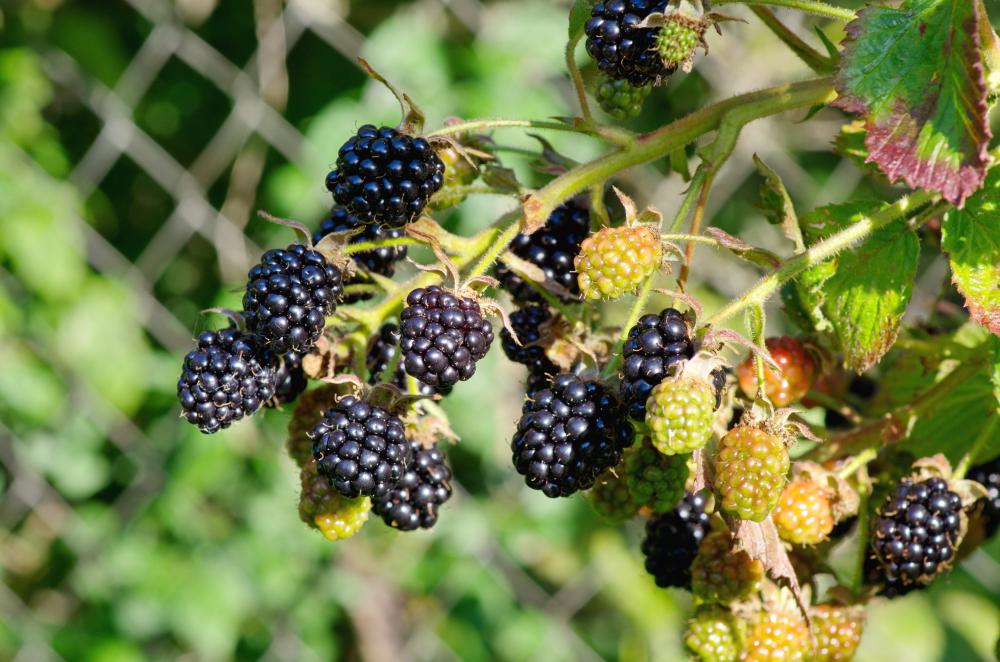
Another fungal infection yous need to exist wary of is the black orange rust. It's a hard illness to eradicate since the fungus will remain in the vine for the rest of its natural life. The fungus spores spread easily through the air, h2o, or contaminated gardening tools. So how would you recognize the signs of the infections?
At start, you'll notice some discoloring of the leaves of the blackberry vine. New shoots will turn yellow as shortly every bit they emerge, and the vine looks wilted and unhealthy. As the infestation spreads, the canes become twisted and plain-featured. Finally, orangish blisters announced on the leaves, not getting enough light. This can interfere with the vine's ability to produce fruits.
These orange blisters are, in fact sacs of spores that will explode and spread more than spores to infect surrounding plants and ensure that the blackberry bush volition carry the disease year after year.
How to Fix information technology
Since blackberry orange rust is a lifelong infection, information technology'south prudent to remove infected bushes equally soon as you detect the early signs of the illness. This can mitigate the spread of the fungus spores and keep other vines safe.
It's as well recommended to rotate blackberry bush planting every 4 to v years. That's how long the fungus spores stay in the soil.
Sanitize all gardening tools before and after using or lending them out. And while some fungicides have shown good results in fighting off the fungus, they don't work well with all blackberry varieties.
Anthracnose Of Blackberries
The reason we devoted a department of this commodity to anthracnose of blackberries is not simply because information technology'due south a common disease, but also because it can have a serious impact on the bush-league's productivity. Fifty-fifty if the blackberry bush-league produces fruits, these fruits will non take the same quality as a healthy bush-league.
Acquired by Elsinoe Veneta, the fungal disease doesn't waste time, and the bush-league volition show symptoms of the infection as early as the spring. Equally new shoots emerge, they'll have purple spots on them. These spots volition turn gray with fourth dimension. As the infection spreads, the greyness spots merge and cover big parts of the leafage and cane surfaces. Somewhen, the infected cane will die.
How to Gear up it
The fungus commonly is most active after rainfall in the bound and summertime, especially as new shoots emerge. And since it overwinters on infected bushes and dead canes, it can be difficult to go rid of altogether.
That said, you can yet brand it difficult for the fungus to infect the vine by pruning it regularly to improve air apportionment and expose the inner canes and leaves to sunlight. E'er pick blackberry varieties that are more resistant to the affliction. And finally, you should remove infected canes and destroy them safely.
Galls On Blackberries
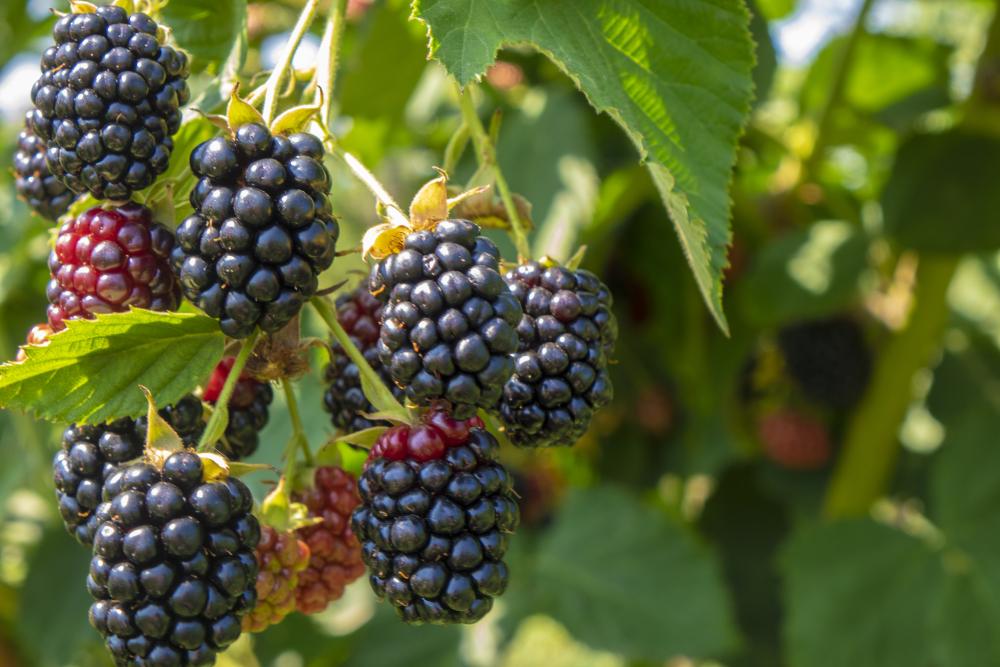
Galls are never a good sight to see on a blackberry bush. However fifty-fifty when you can't see them, galls might exist present on the roots of the bush. Different bacteria are responsible for different types of gall growths on the bush. While the most mutual galls are those growing on the canes, they can also appear on the crown.
They commonly appear in the early summer, around the fourth dimension the berries are just evolving. One time they appear on a pikestaff, they block the passageways for moisture and nutrition, which causes the pikestaff to wither and die. Crown galls take the aforementioned result on the bush-league and foreclose new growths, flowers, and fruits from developing.
How to Fix it
The bacteria that cause galls are difficult to care for, and yous should do your all-time to prevent them from entering the garden. If you're planting a blackberry cutting or sapling, make certain it has no galls on it, and the roots are healthy.
If the soil in your garden is already infected, turn up the top 12 inches and exit it under the sun. That can help kill the bacteria in the soil. And since the leaner infect wounded canes, try to continue the blackberry bush intact when pruning and if a cane is injured, remove it immediately.
Source: https://www.diys.com/blackberry-growing-problems/
0 Response to "Blackberry Growing Problems: How to Fix All Issues"
Post a Comment